
Flight Path is a Wing series for AI startup founders that draws on candid conversations with C-suite executives at leading corporations and unpacks what it takes to become a trusted AI partner in a variety of different industries.
StubHub International CEO talks e-commerce in the AI age
AI is reshaping how consumers discover, evaluate, and buy online. According to Salesforce's 2024 State of Commerce report, 84% of e-commerce organizations now prioritize AI as a top competitive advantage — up from just 59% two years earlier. Yet for many established brands, the challenge is not adopting AI but directing it toward problems that actually matter to customers.
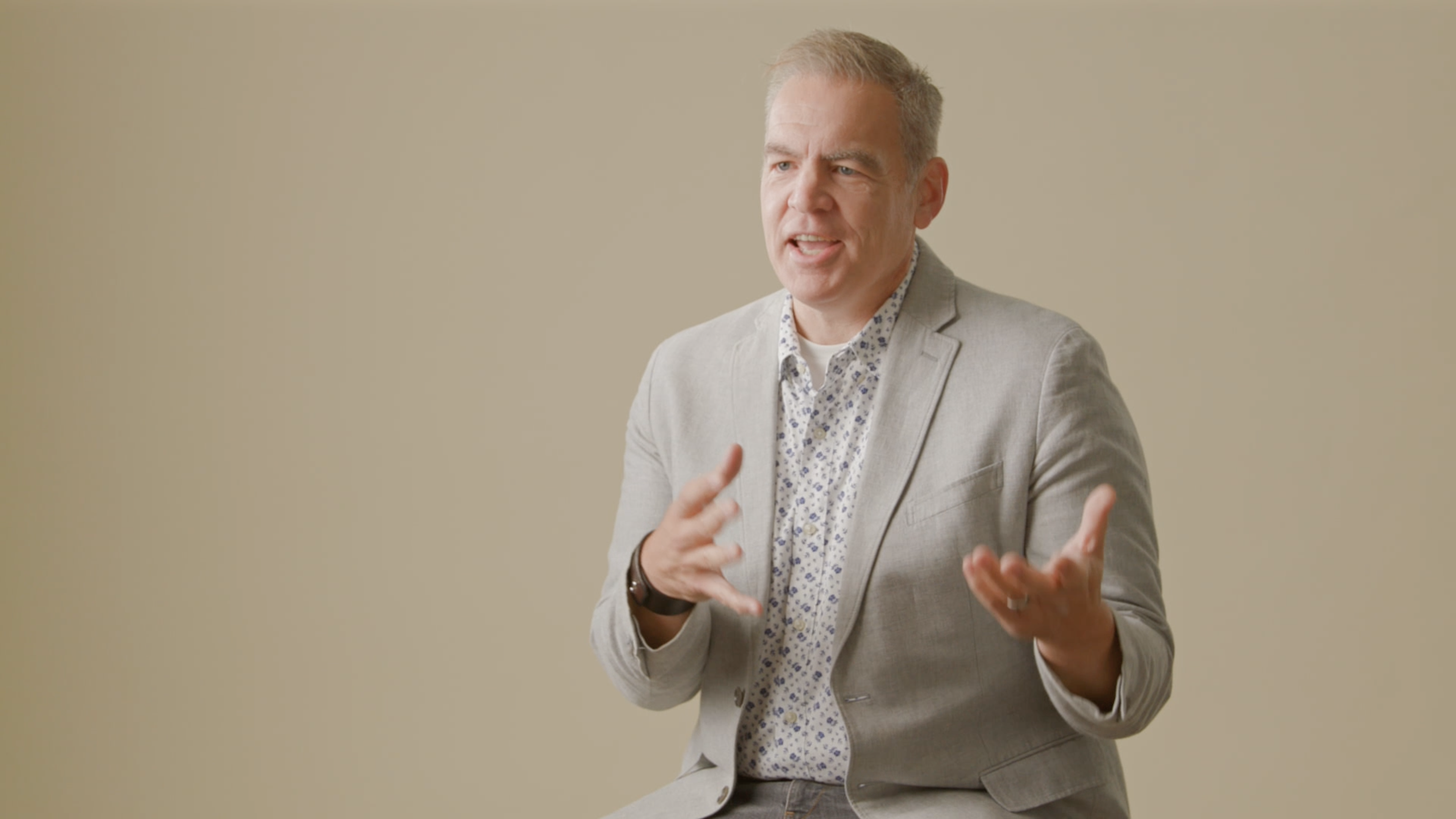
As CEO of StubHub International, one of the world's leading ticket marketplaces, Bob Kupbens is deeply focused on that challenge. He knows that StubHub users are passionate consumers, and he knows that passion leads to a certain amount of anxiety about their purchases. So while technology like AI can be an exciting new tool to streamline processes and create new channels for engagement, it has to be implemented primarily with the customer experience in mind.
Today, StubHub’'s customers can interact with AI in the form of a chatbot, which handles low-lift questions and concerns to set minds at ease. More complex issues are quickly routed to a real person. But Kupbens sees the potential for modern AI to connect more deeply with buyers and improve their satisfaction with the ticket-buying experience.
We talked to Kupbens about how AI in e-commerce must start with the customer — from post-purchase reassurance chatbots to AI-driven acquisition channels — and why the balance between automation and human connection is a brand-defining decision.
Key takeaways
- Customer-centric AI is non-negotiable: E-commerce must become fundamentally more customer-centric, and AI is the forcing function. Brands that fail to leverage AI for deeper personalization risk disruption from faster-moving entrants.
- Solve existing problems first: AI's highest-value applications in e-commerce address real customer pain points — ticket reassurance, event matching, post-purchase anxiety — rather than creating AI-native features in search of a use case.
- Automation versus human connection is a brand decision: Deploying a bot when a customer needs a human erodes trust. Understanding customer psychology at each touchpoint determines when AI helps and when it hurts.
- Customer acquisition remains under-leveraged by AI: Search engine optimization (SEO), paid search, and email outreach all have room for step-function AI improvements, but the industry has been slow to pursue them.
The future of e-commerce is customer-centric
Q: You've seen a lot in your roles, first at eBay and now at StubHub. What can you tell us about the direction e-commerce is going in?
E-commerce has to get more centered around the customer. And really understanding the customer, getting inside their psyche, what they care about, what they love, what they don’'t love… We know so much about consumers, and with the advantage that AI brings, we’'ll get to know even more, and even more specifically about individual consumers.
And if we don’'t leverage that to do something fundamentally different, I think e-commerce is going to see a bunch of new entrants that disrupt innovation, maybe more aggressively than some existing brands. I think we need to innovate faster. We need to leverage the tools that we have, but it has to be centered around the customer.
If I’'m being honest, we’'ve been a little bit slow in e-commerce to embrace the new. With AI, we have no choice.
Using AI to solve existing customer problems
Q: We hear a lot about how AI will help in the back of the house with streamlining operations, but how will it help brands connect more with customers, and put customers first?
We are trying to solve very specific customer business problems. We’'re a marketplace. We’'re an e-commerce business. At the end of the day, we’'re trying to match our consumers with events and experiences that will change their lives.
We believe in the joy of live events, and the joy of live events means that a customer gets to go to a thing that’'s a once-in-a-lifetime experience for them.
How we do that, and how we create that matching and that seamlessness, and how we affect not only the purchases, but all of these sort of downstream interactions between somebody’'s buying a ticket what could be maybe nine to even 12 months ahead of an event — for us, there are a ton of applications in the middle of that where AI can play a really important role.
It’'s not about creating new problems that AI can solve. It’'s about using AI to solve the existing problems that we have. And that’'s everything from understanding our customer to creating matching to showing them the best events that they might want to see — reminding them, “"Hey, you flew across the world last year to see Taylor Swift, for example. You could do that again for Oasis, or Dua Lipa, or somebody.”"
But then, also, this anxiety that people have around ticketing. “"Is my ticket going to work? Am I going to get in? Is it the best seat? Can I imagine what my view from the seat looks like?”" So many of these solutions, I think, could be aided by AI in a way that would be really transformative to the way customers experience our brand, and to the way customers experience these events, and just the whole seamlessness of how you get from the idea that you might want to attend something to actually attending it.
AI can play a role along lots of different parts of our interaction with our customers.
AI chatbots for post-purchase reassurance
Q: What’'s one of those moments of interaction between your customers and AI?
When you buy a high-priced ticket for an event, a lot of people want to just make sure, so they call in. And we thought, “"Well, what are they calling in for?" And it's about, "Where's my ticket? Can I just be reassured?”"
By creating that reassurance through a chatbot, we’'ve had actually really good luck. We just rolled it out in full scale over the last couple of months, and it’'s done really, really well. Feedback is great. Contacts are reducing. We don’'t want contacts to go to zero, because we want to talk to customers. That’'s an important piece. Humans still want to talk to humans. But if someone wants a quick answer about reassuring them about a ticket or some part of the downstream process, that’'s something that a chatbot can do really well, and we’'ve already started to see exciting results from that.
AI for customer acquisition: SEO, paid search, and email
Q: What’'s one problem you’'re currently managing that you wish you had an AI solution for but don’'t, at least not yet?
A huge challenge for us is just attracting and acquiring customers. We know how to do paid search. We know how to optimize SEO. We have an affiliate program. We do email outreach. All of these channels have opportunities to be optimized. Can you use AI to optimize the way you outreach to consumers in an email channel to get them better insight into things that they might want to go to? Yeah, of course!
Can we do something with SEO? I guess there might be sort of an arms race around SEO and AI, so what’'s the way that we can make sure that we’'re participating in that arms race and getting our fair share of what we expect out of that channel?
Can we optimize paid search and the bids? And as new competitors come in, what are the strategies that we need to quickly adapt and adjust so that we can maintain the right relevance and the right ratios of spend to traffic? Those are fundamental issues that every business like ours deals with.
We’'d love to see innovation and new ways of approaching these old problems. The advantage and opportunity of AI is step function changes in the results. That’'s the kind of thing that the industry needs.
Tapping into passion and maintaining connection over time
Q: You operate in an industry where there are a lot of different services vying for people's attention. How would you describe the archetypal consumer right now? And how are you thinking about them?
We operate in a space of passion. People are passionate about sports or they’'re passionate about artists and music, so we have this unique opportunity to tap into that passion. But the tension moves very quickly. You could be passionate about Taylor Swift after some concert today. You might be passionate about your kids. You might be passionate about your new car. For us, it’'s very much about tapping into the passion, and then remaining connected to those consumers over time.
If you build a connection to a brand and you create a real affinity, or a love, or something for that brand, then that can carry and span some of those attention gaps. I think there are lots of things that AI can do to help create continuity, build longevity, and stay in touch.
For example, an engagement curriculum that we might think about today could be, "Hey, there's an email that goes at four weeks. There’'s an email that goes at eight weeks. There's an email that goes out at T-minus two days.”" We can mechanically think through those kinds of curriculums and it makes sense. But the power of AI to infer not just what customers are interested in but ultimately how they want to be engaged with, how the brand can be expressed to them in unique ways… that is this opportunity to create a connection and a passion and a love for a brand that we don’'t have the mechanical ability to do today, even with some of the powerful platforms that we have. There are a ton of SaaS tools that help us create that kind of engagement, but AI takes that to a really different level.
When to use AI and when to use humans
Q: How do you find the right balance between this kind of promising, technology-driven, customer-facing solution like AI and that human-to-human connection?
There’'s probably a word in the English language that doesn’'t exist that describes that feeling, the letdown when you realize that you’'re talking to a bot, not a person. Maybe we’'ll come up with a word.
On the other hand, there are times when all you need is a quick response. It’'s about timing. It’'s about trying to understand the need. And there are going to be times when we want, as a brand, to talk to our customers.
It presents an opportunity, but we don’'t want to do it when what the customer wants is just, "Here's the facts." It's understanding the difference between when is the right time to talk to a customer and have a human-to-human interaction, and when is the right time to use a technology or an AI to give somebody exactly what they need.
If you understand the customer, and you really understand the psychology of what they need at different moments of your interaction with them, then you can make smart choices about when you interact with them and what tools you use. But if you make bad choices, and what they need is to talk to somebody, they need reassurance, and you give them a bot, guess what? That’'s not going to work. And then, you get whatever that word is, that feeling of "ugh."
Brand is not created just by marketing. It’'s created by every interaction that somebody has. If you mess one of those up, it’'s very challenging to get that love back, and I think that’'s something that we’'re all going to struggle with over time. When do you use automation, and when do you use humans? And how does that affect the consumer’'s perception of your brand, and ultimately, their long-term interaction with you?
What this means for AI-first founders
Kupbens' perspective reinforces a pattern we see across our conversations with enterprise leaders: AI adoption in e-commerce is not a technology problem — as we explored in The State of AI in the Enterprise. It is a customer-understanding problem. The companies that win are the ones that map AI capabilities to specific moments in the customer journey — post-purchase anxiety, event discovery, and acquisition channel optimization — rather than deploying AI as a blanket efficiency play.
For founders building AI-first products in commerce and consumer engagement, the takeaway is clear. Enterprise buyers like StubHub are not looking for AI that replaces human judgment. They want AI that sharpens it. That means tools capable of distinguishing when to automate and when to connect — and when a chatbot builds trust versus when it erodes it. That gap between mechanical engagement and genuinely personalized interaction is where the next generation of AI-first companies will create lasting value.
Flight Path brings candid conversations with enterprise leaders to AI startup founders. Follow Wing for more.


